3 Skills Your Kid Won't Learn in School That They Can Learn in A STEM After-School Program
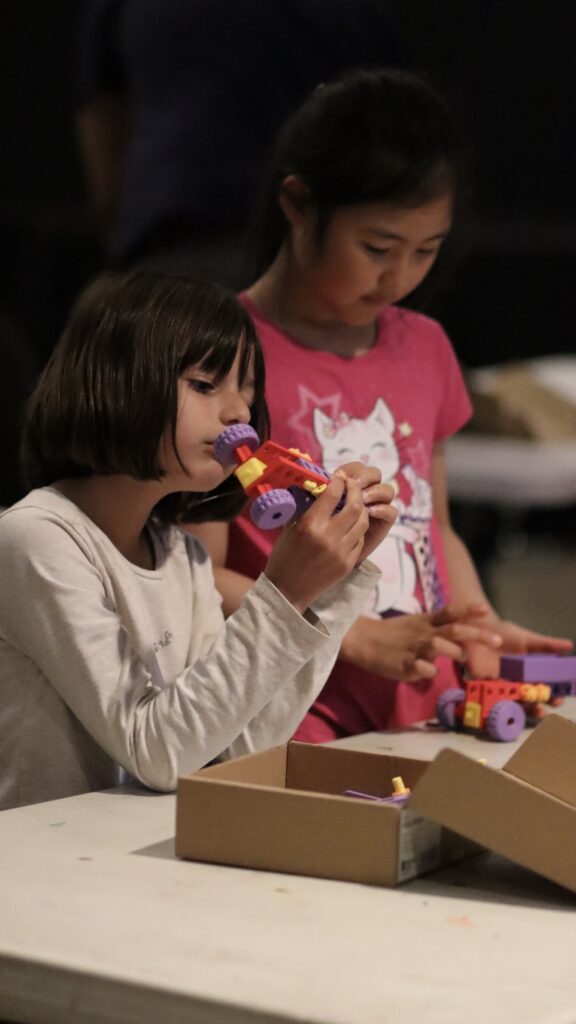
As a parent, you see your kids’ incredible potential. You know the world they’re growing up in is driven by technology, innovation, and complex problem-solving. While our schools do a commendable job teaching foundational knowledge, the standard curriculum often can’t keep pace with the rapid change in science and technology. Schools are bound by standardized curriculum and large class sizes. This often leaves little room for:
- Open-Ended Exploration: School labs and activities often have a predetermined “right answer.” There’s little room for creative failure, which is a cornerstone of the scientific process.
- Advanced Technology Access: While some schools have robotics kits or coding software, access is often limited to specific clubs or grade levels, not integrated as a core, ongoing learning tool.
Our STEM programs for kids in Abbotsford, Mission, and beyond are designed specifically to fill these gaps. At Young Innovators, we don’t just teach kids about science and math; we immerse them in the application of these subjects through hands-on projects in coding, robotics, and engineering. This article will explore the distinct advantages of our STEM programs, detailing the specific skills that your child will develop, preparing them not just for the next test, but for the future.
1. Computational Thinking
At the heart of our curriculum is computational thinking—a method of problem-solving that computer scientists use, but that is applicable to nearly every aspect of life. This isn’t just about learning to code; it’s about learning to think like an innovator. We break down large, intimidating problems into smaller, manageable parts (decomposition), recognize patterns (pattern recognition), focus on the critical information (abstraction), and design step-by-step solutions (algorithms).
For instance, in one of our robotics programs for kids, students aren’t just told how to build a robot. They are tasked with designing a machine that can navigate a mock Martian landscape. This requires them to:
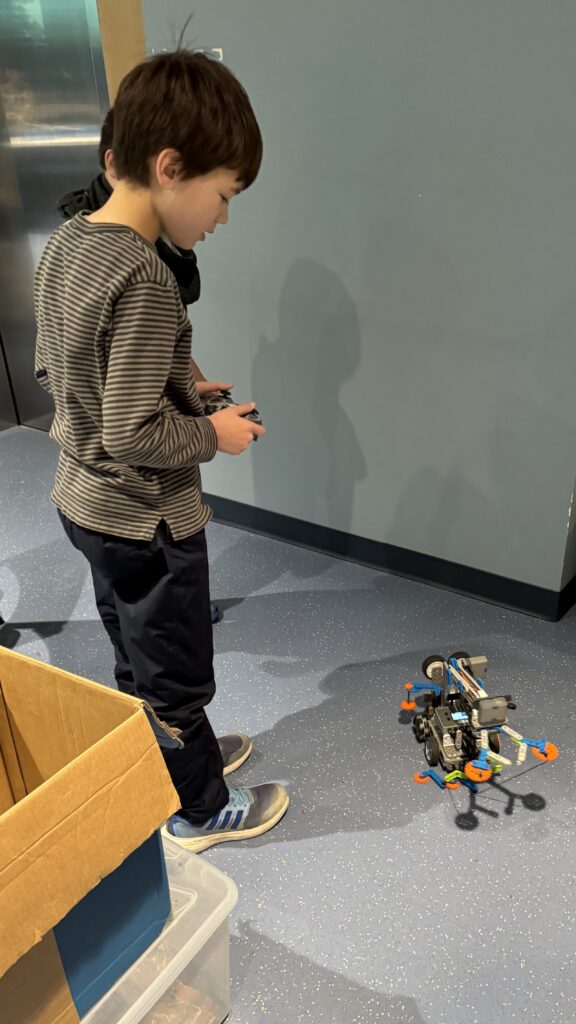
- Decompose the challenge: What does the robot need to do? (Move, turn, avoid obstacles, pick up objects).
- Identify Patterns: What sequences of movement are repeated?
- Abstract: Ignore the specific colours of the landscape and focus on the distances and sensor inputs.
- Design an Algorithm: Write the code that creates a logical sequence for movement and decision-making.
This structured approach to problem-solving develops critical thinking skills that benefit children in both their academic work and daily lives.
2. Hands-On Tech Skills
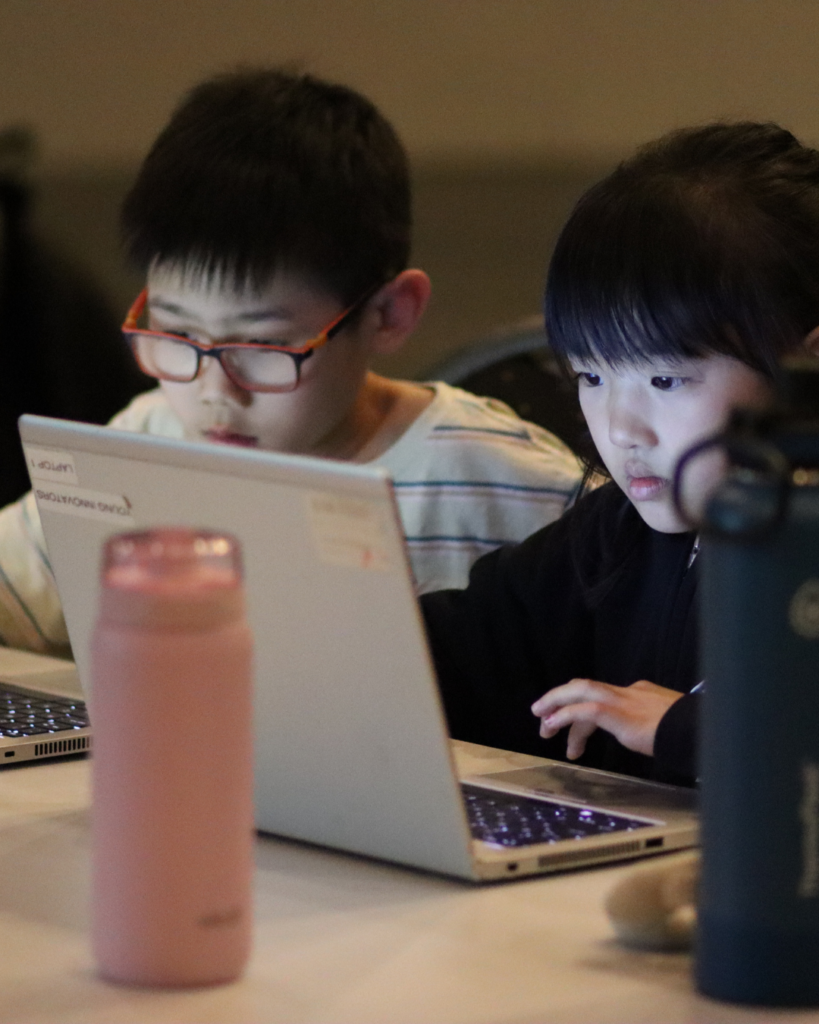
While schools may introduce basic computer literacy, we provide hands-on experience with the technologies that shape our world. Our students don’t just use technology; they learn to command it. We introduce them to platforms and concepts that are often beyond the scope of a standard school budget or timetable.
- Tangible Coding with Robotics: Children in our programs use visual programming languages, such as Scratch, to control physical robots. Seeing a robot move, light up, or respond to their code in the real world makes abstract programming concepts concrete and deeply engaging.
- Real-World Programming Languages: As students progress, they graduate to text-based languages like Python, one of the most in-demand languages in the industry, used for everything from web development to artificial intelligence.
- Introduction to AI Concepts: We go beyond basic coding to demystify artificial intelligence. Through simple, project-based learning, students might train a simple machine learning model to recognize images or understand how neural networks work. This early exposure to AI and machine learning for kids ensures they are not just consumers of AI but also understand its principles.
3. Essential Soft Skills
The benefits of our programs extend far beyond technical prowess. The collaborative, project-based environment is a breeding ground for the essential “soft skills” that employers consistently rank as critical. In our programs, if a kid FAILS, it is not an endpoint; it’s a “First Attempt In Learning.”
- Collaboration: Children work in teams to design and complete complex projects, much like they will in a modern workplace. They learn to delegate tasks, listen to ideas, and build on each other’s strengths.
- Communication: Students must articulate their design choices, explain bugs in their code, and present their final projects to their peers. This builds confidence and the ability to explain complex ideas clearly.
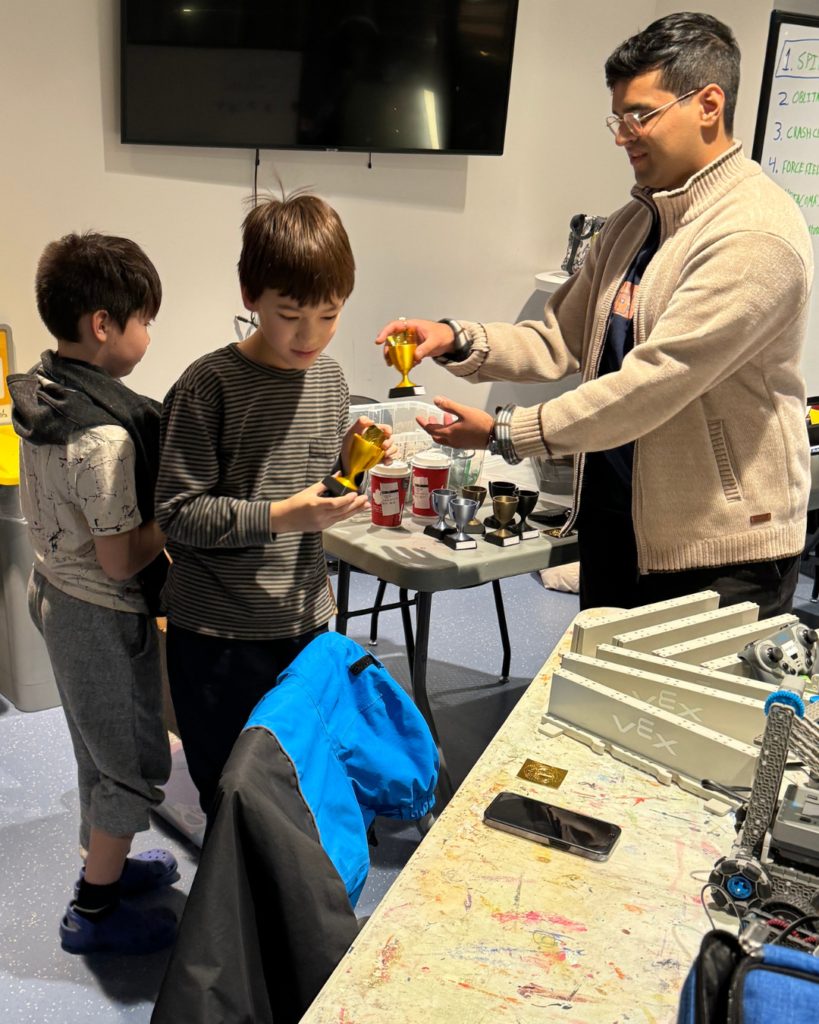
- Resilience and Grit: When a robot doesn’t move or code fails, students learn to debug, iterate, and try again. This resilience in the face of challenge is perhaps one of the most valuable gifts we can give the next generation.
Conclusion
In a world that is evolving at an unprecedented rate, giving your child a robust education means looking beyond the schoolyard gates. The standard curriculum provides a necessary foundation, but it is through specialized, hands-on programs for kids in Langley, Abbotsford, Mission, and across the Fraser Valley that children truly learn to apply their knowledge, think critically, and innovate. At Young Innovators, we are committed to being that vital partner in your child’s educational journey. We provide the tools, guidance, and environment where curiosity is ignited, challenges are embraced, and innovators of tomorrow are built today. Don’t let the constraints of a traditional classroom limit your child’s potential.
Ready to see the difference? Check out our programs below!
References
- Council of Canadian Academies. (2015). Some Assembly Required: STEM Skills and Canada’s Economic Productivity. Expert Panel on STEM Skills for the Future.
- Government of Canada, Employment and Social Development Canada. (2022). Skills for Success.
- Wing, J. M. (2006). Computational Thinking. Communications of the ACM, 49(3), 33-35.
Quick Takeaways: How Our STEM Programs Give Your Child an Edge
- Fills the Curriculum Gap: We teach applied, project-based STEM that schools often can’t due to time and resource constraints.
- Develops Computational Thinking: Kids learn to break down complex problems, a skill valuable in all areas of life and academics.
- Provides Tech Access & Literacy: Hands-on experience with robotics, real-world coding languages, and introductory AI concepts.
- Builds Essential Soft Skills: Fosters collaboration, communication, and resilience through team-based challenges and iterative design.
Prepares for the Future Economy: Equips children with the foundational skills needed for the jobs of tomorrow, right here in the Fraser Valley.