Is My Child Ready for Coding?
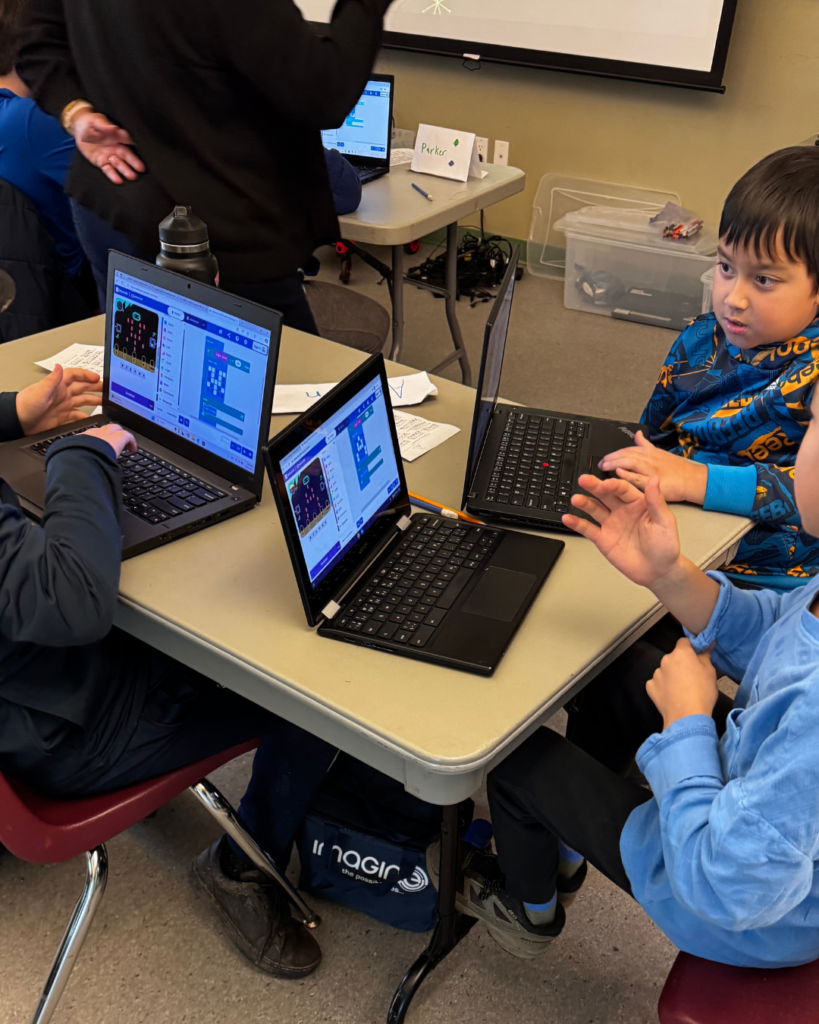
Deciding when to introduce your child to coding is a common question for parents. You want to nurture their interests and provide the best start, but terms like “Python,” “block-based,” and “algorithms” can feel overwhelming.
This guide is designed for families in Langley, Abbotsford, White Rock, Delta, and Mission BC who are exploring coding classes. We’ll break down the signs of readiness, demystify what learning looks like at different ages, and show how a supportive, fun-first approach can ignite a lifelong passion for technology.
1. Spotting the Signs of Readiness: Is Your Child a Budding Innovator?
You don’t need to wait for your child to show genius-level math skills to consider coding. Often, readiness is demonstrated through everyday play and curiosity. Here are key indicators that your child might be ready to start their coding journey:
- Problem-Solving Enthusiasm: Does your child enjoy puzzles, Lego sets, or strategy-based board games? The patience and logical thinking required are the same skills used in debugging code.
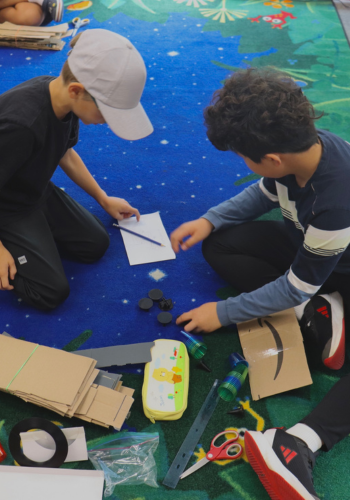
- Creative Storytelling & Building: A child who loves creating elaborate stories with toys, building complex structures in Minecraft, or designing new games is exercising the computational thinking and design planning essential for programming.
- Pattern Recognition: Noticing sequences (“Mom, the traffic lights always go green, yellow, red!”) or loving repetitive, rhythmic games shows an analytical mind that grasps the loops and sequences found in code.
- Curiosity About How Things Work: The persistent “why” and “how” questions about everything from appliances to video games is a natural inclination toward understanding systems—a core coder’s trait.
- Resilience with Challenges: A child who can try a different approach when a block tower falls, rather than giving up in frustration, has the growth mindset needed for coding, where trial and error is part of the process.
2. Why Start Young? The Lasting Benefits Beyond the Screen
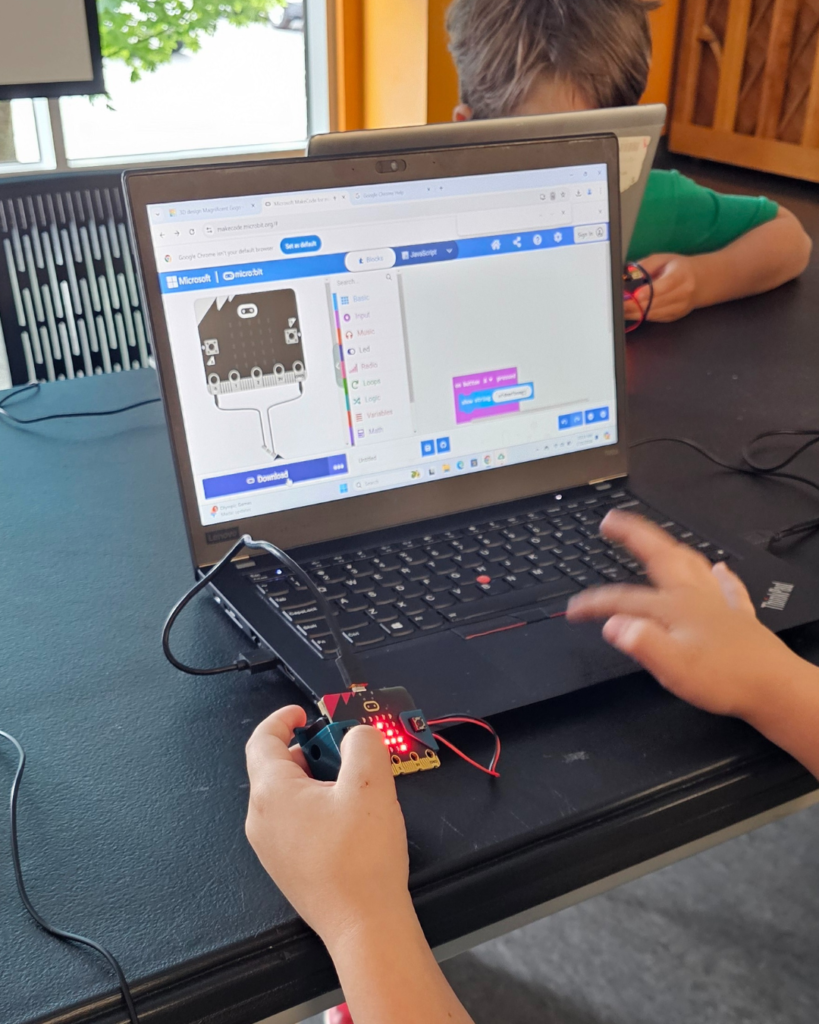
Introducing coding early isn’t about creating a child prodigy; it’s about leveraging a child’s natural learning curve to build foundational skills that benefit every area of life.
- Cultivates Logical Thinking: Coding transforms abstract problems into clear, step-by-step sequences. This structured approach to thinking enhances abilities in math, science, and even writing. The BC Ministry of Education’s ADST curriculum emphasizes this integration of design and computational thinking across subjects.
- Supercharges Problem-Solving: Coding is essentially continuous problem-solving. Children learn to break down large challenges into manageable parts, test solutions, and iterate—a valuable strategy for academic and personal hurdles. Renowned institutions like MIT Media Lab have long championed this “creative learning” approach.
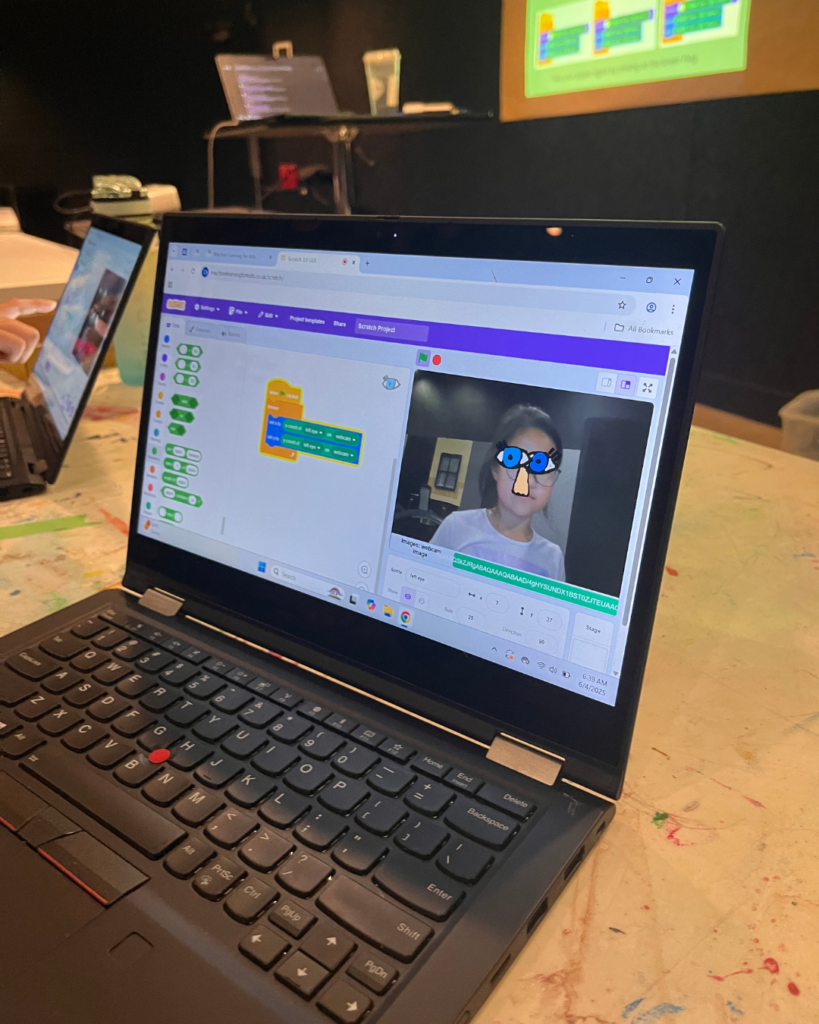
- Boosts Creativity & Confidence: Coding is a creative act. The moment a child sees their code bring a character to life on Scratch or a robot to move, it builds immense confidence and shows them they can be builders of technology, not just users.
- Prepares for a Digital Future: Digital literacy is fundamental. Understanding the logic behind the apps and games they use gives children a critical and empowered perspective. For a great overview of why coding is considered a new essential literacy, you can read this perspective from Edutopia.
These skills are timeless. Whether your child becomes a software engineer, a scientist, an artist, or an entrepreneur, the cognitive tools gained from coding will provide a significant advantage.
3. Demystifying "Coding": What Learning Looks Like at Every Age
“Coding” for kids doesn’t mean typing complex text on a black screen. Modern education uses engaging, age-appropriate tools that make the concepts accessible and fun.

Finding the Right Starting Point: Local Programs for Young Minds

For beginners, the right environment is everything. A program that emphasizes fun, creativity, and hands-on projects—over rigid lectures—is key to turning initial curiosity into a lasting passion.
For families in our communities, Young Innovators designs programs specifically with the beginner in mind. Our philosophy is to make the transition into STEM fun and stress-free, using age-appropriate projects that feel like play.
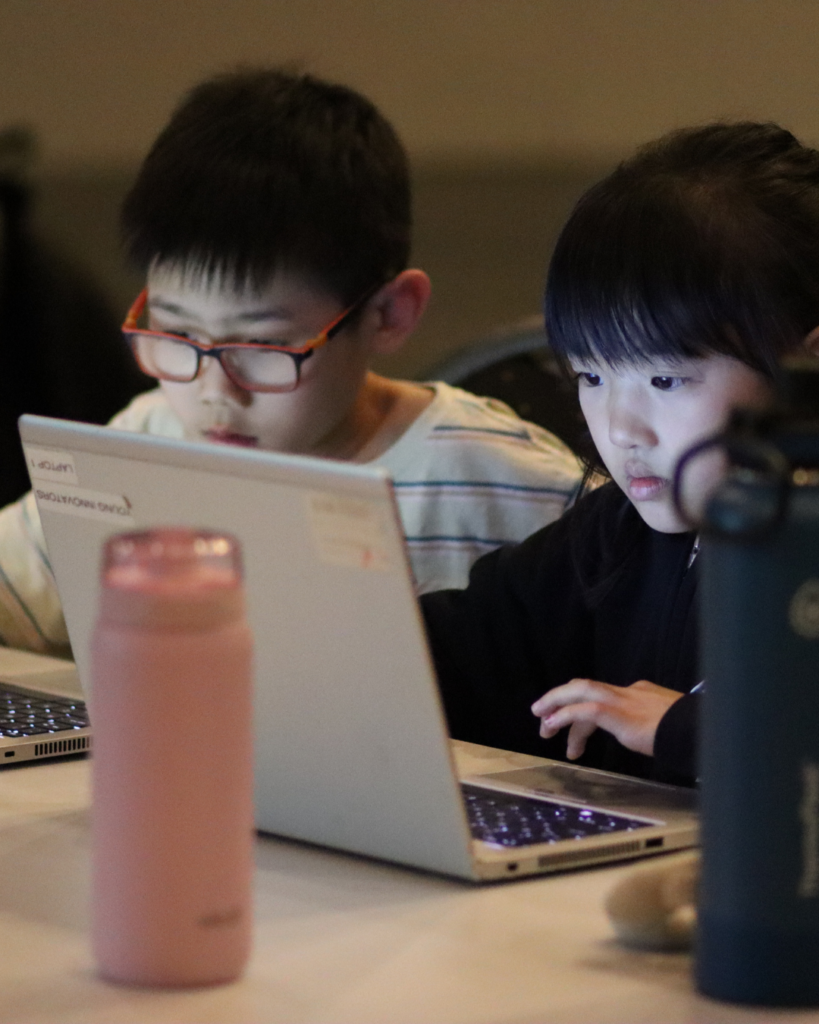
We offer different entry points based on your child’s interests:
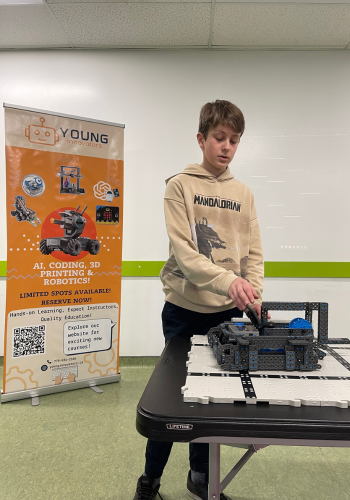
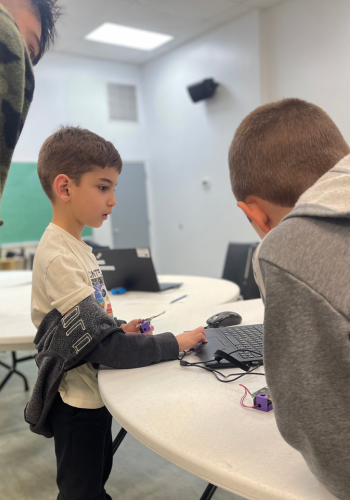
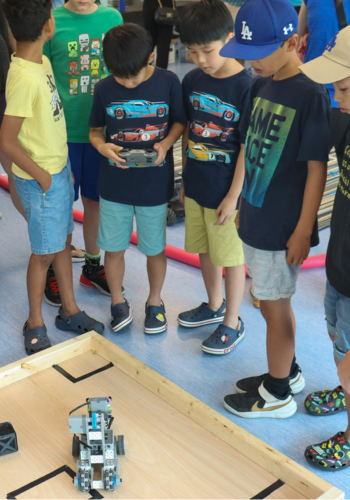
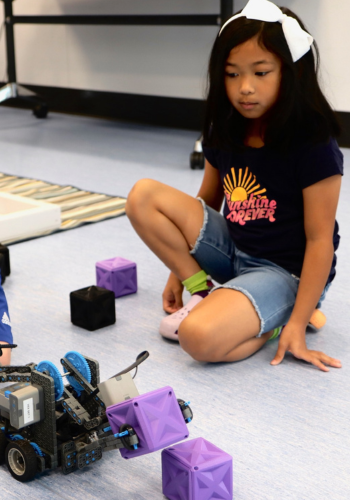
- For the Roboticist & Engineer: The “Sensors in Action: The Autonomous Maze Challenge” is a brilliant first step. Kids design, build, and program a sensor-driven robot to navigate a maze. They learn coding logic by making their robot “see” and make decisions, with no prior experience needed. This program is available in Mission (Saturdays), North Delta (Thursdays), and Tsawwassen (Tuesdays)
- For the AI-Curious Mind: Our “AI Explorers: Hack Your AI” program in Langley (Sundays) is a fantastic interactive introduction. Kids discover how AI sees images and powers chatbots, then code their own game using Scratch, making abstract concepts tangibly fun.
All programs feature small class sizes, certified instructors, and a curriculum aligned with BC’s ADST standards, ensuring a quality educational experience close to home.
Ultimately, the question isn’t “Is my child smart enough for coding?” but rather, “Is my child curious and ready to create?” If you see a spark of interest in building, problem-solving, or technology, that spark is ready to be kindled.
The best next step is to provide a supportive, engaging, and low-pressure environment where they can try, fail, learn, and triumph. A well-designed beginner’s program doesn’t just teach code—it unlocks a new way of thinking and opens a world of creative possibility for your young innovator.
Ready to see if a coding program is the right fit for your child’s curiosity? Explore our beginner-friendly programs for kids in Langley, Abbotsford, Mission, North Delta, Tsawwassen, and White Rock.